
Property Price Trends Across Malaysian Cities
How residential property indices have evolved in Kuala Lumpur, Selangor, Penang, and other major urban centres over the past decade
Read ArticleHow rapid city growth in Malaysia’s Klang Valley and beyond creates housing shortages, pushes prices upward, and reshapes property investment patterns across the region
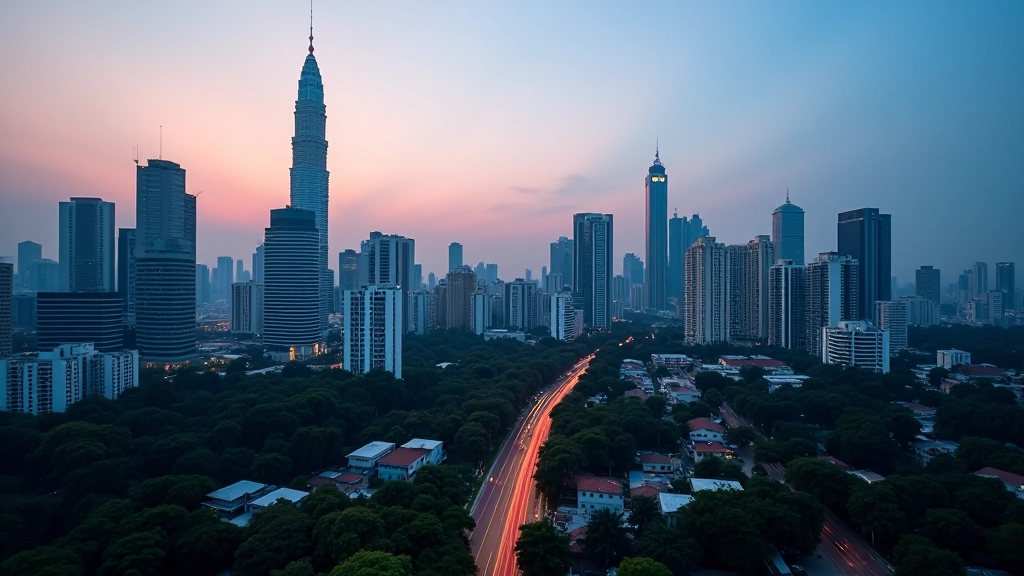
Malaysia’s urban population has grown dramatically over the past two decades. Cities like Kuala Lumpur, Selangor, and Penang aren’t just getting bigger — they’re transforming at a pace that housing supply simply can’t match. When millions of people move to cities faster than new homes are built, prices spike and affordability becomes a real problem for ordinary families.
The relationship between urbanisation and housing isn’t straightforward. It’s not just “more people = higher prices.” It’s about how cities develop, where jobs cluster, infrastructure limitations, and government policies that either help or hinder building. Understanding these dynamics is crucial if you’re interested in property markets, housing policy, or just trying to figure out why home prices keep climbing.
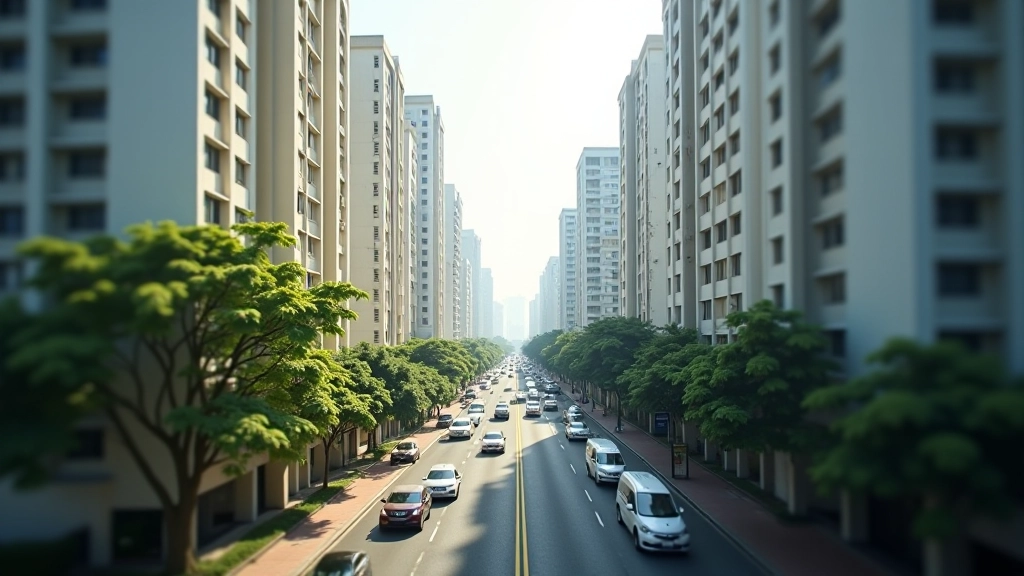
Here’s the core issue: building homes takes time. A residential project in Klang Valley typically takes 3-5 years from land acquisition to completion. During those years, the city’s population keeps growing. By the time new units hit the market, demand has already outpaced the supply you’ve just created.
The construction bottleneck isn’t just about construction crews — it’s about land availability, regulatory approvals, infrastructure readiness, and financing. In densely populated areas, available land becomes scarce and expensive. Developers can’t build enough units fast enough to meet demand. Even when new housing projects finish, they’re often snapped up immediately by investors and owner-occupants alike.
Add to this the fact that property ownership in Malaysia isn’t just about housing — it’s a major investment vehicle. Many units get purchased not to live in but to hold for appreciation or rental income. This further tightens supply for actual residents looking for homes to occupy.
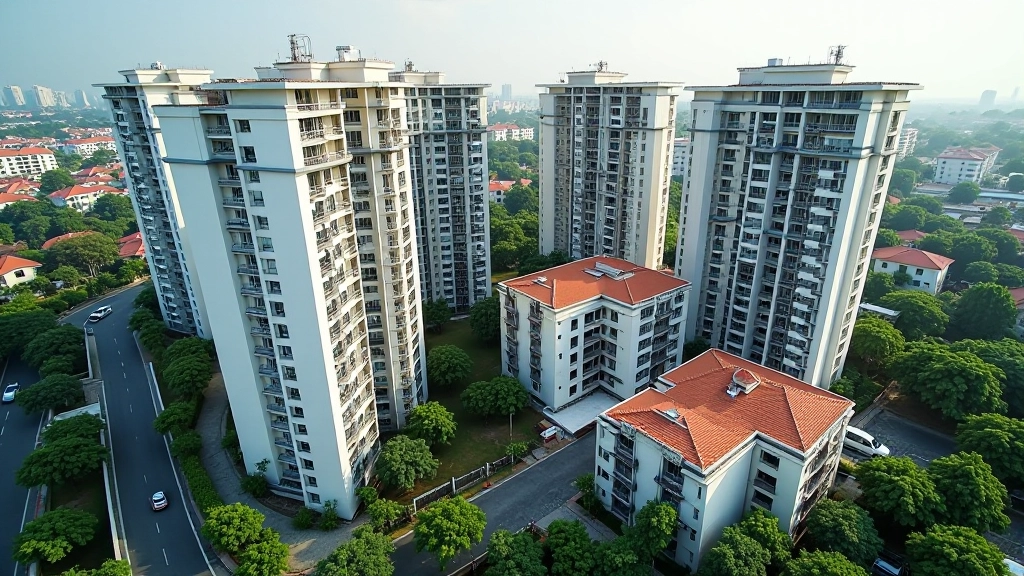

Demand for housing in Malaysian cities stems from several sources. Rural-to-urban migration brings young workers seeking better employment opportunities. Kuala Lumpur’s job market, for instance, attracts people from across the country and internationally. These workers need places to live, and they need them near their workplaces to minimize commute times.
Family formation also drives demand. Young couples establishing households, growing families needing larger spaces — these are fundamental demographic forces that don’t slow down. Meanwhile, international migration adds another layer. Expats, skilled workers, and foreign students all compete for urban housing.
But here’s what makes this tricky: investor demand often outpaces residential demand. Property speculators, REIT funds, and institutional investors buy units expecting price appreciation. They’re not looking for homes — they’re looking for returns. This speculative demand keeps prices elevated even when actual residential need might be satisfied.
When supply lags demand consistently, prices rise. This isn’t mysterious economics — it’s basic market mechanics. But the effects ripple across entire communities and create real hardship for people trying to buy their first home.
Property prices in Klang Valley have increased roughly 50-70% over the past decade. Median property prices in prime areas like Petaling Jaya, Subang Jaya, and Ampang have climbed significantly, making owner-occupancy harder for middle-income earners.
The ratio of property prices to annual household income has climbed to 6-8 times income in urban areas, well above the 3-5 times ratio that experts consider affordable. This means young families need to dedicate much larger portions of income to housing.
Real estate developers drive much urban expansion, often building luxury and mid-range units with higher profit margins. Affordable housing projects are less common because they’re less profitable, creating a supply gap at lower price points.
“When you’re urbanising at the pace Malaysia is experiencing, housing supply becomes the bottleneck. Cities grow faster than infrastructure can support. Prices don’t just reflect current conditions — they reflect expectations about future scarcity.”
— Property Market Analysis, 2025
Urbanisation doesn’t just affect home buyers — it fundamentally reshapes property investment. As cities grow and infrastructure improves, property values appreciate. Investors notice this. They buy units not to live in them but to sell later at profit or collect rental income.
This investment activity has several consequences. First, it removes housing stock from the owner-occupancy market. Second, it inflates prices beyond what’s justified by residential demand alone. Third, it creates pockets of empty or underutilised properties held purely for speculation. In some Klang Valley developments, occupancy rates hover around 60-70% because many units are investment holdings.
Mortgage markets respond to these dynamics. Banks see property investment as relatively safe lending, so they offer competitive rates to investors. This makes property investment attractive compared to other alternatives, further fueling demand. A first-time home buyer competes not just with other home buyers but with professional investors armed with multiple mortgages.

Recognising the housing affordability crisis, Malaysia’s government has introduced several policy initiatives. These attempts address the supply-demand imbalance, but they’re ongoing efforts that need continuous refinement.
The government mandates that a percentage of new residential developments include affordable units. These are priced at fixed amounts (typically under RM300,000) and allocated to qualified buyers. The scheme aims to ensure middle and lower-income households can access owner-occupied housing in developing areas.
Various schemes allow renters to gradually transition to ownership. Part of rental payments go toward purchase price, helping first-time buyers accumulate down payments while living in the property. This bridges the gap between renting and ownership.
By improving public transportation and planning integrated urban development, authorities can reduce the premium placed on central locations. Areas with good transit connections become more accessible without requiring residence in expensive city cores.
Some states impose restrictions on foreign property ownership, speculative flipping, or investor concentration in specific developments. These measures aim to preserve housing stock for actual residents and cool speculative demand.
Urbanisation in Malaysia will continue. More people will move to cities. Klang Valley will keep growing. Penang’s property market will remain competitive. These aren’t reversible trends — they reflect fundamental economic forces.
The key question isn’t whether cities will grow but whether housing supply can keep pace. That depends on several factors: government’s willingness to fast-track approvals and funding for affordable housing, developers’ commitment to building diverse price-point units, banks’ lending practices toward different buyer segments, and investors’ appetite for speculative holdings.
Current trends suggest the gap between supply and demand will persist. Unless there’s significant policy intervention — more land released for development, faster approval processes, stronger incentives for affordable unit construction, or restrictions on investor concentration — affordability will likely remain challenging for ordinary families in Malaysia’s major cities.
This article provides informational and educational content about urbanisation’s effects on housing markets in Malaysia. It’s intended to help readers understand economic concepts and market dynamics, not to provide investment advice or predictions about future property prices. Property markets are influenced by numerous factors that change over time. Real estate decisions should be made based on individual circumstances, professional consultation with qualified real estate agents, financial advisors, and thorough due diligence. Past trends don’t guarantee future results. Always consult with relevant professionals before making significant property or investment decisions.
How residential property indices have evolved in Kuala Lumpur, Selangor, Penang, and other major urban centres over the past decade
Read Article
Overview of Rumah Mampu Milik, Home Ownership Campaign, and other initiatives designed to improve housing accessibility
Read Article
Interest rate movements, loan structures, bank financing requirements, and how mortgage accessibility affects property demand
Read Article