
Property Price Trends Across Malaysian Cities
How residential property indices have evolved in Kuala Lumpur, Selangor, Penang, and other major markets over the last five years
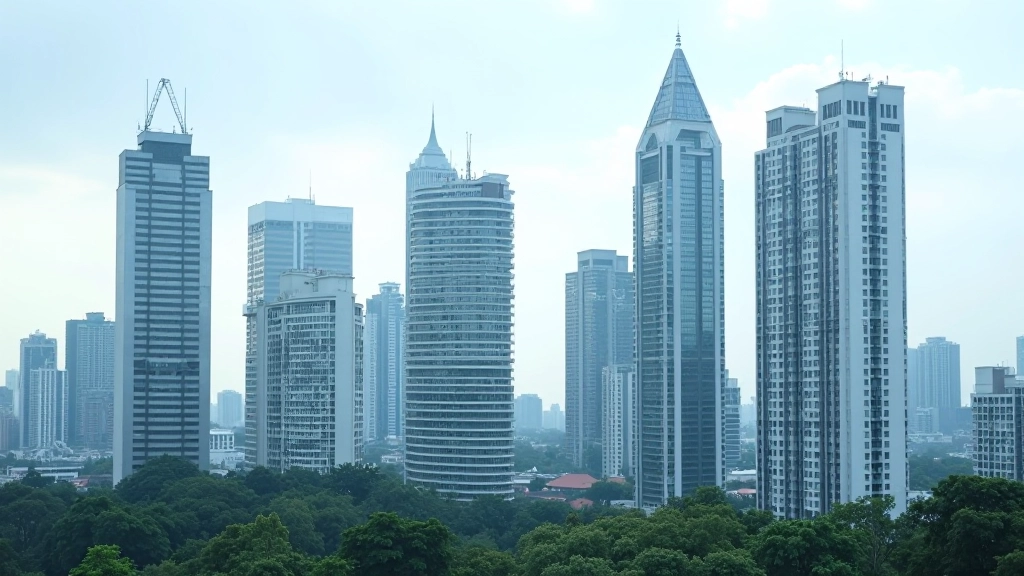
Understanding Malaysia’s Housing Market Shifts
The Malaysian property market has experienced significant transformations since 2021. Property prices haven’t moved in one direction—they’ve fluctuated based on location, economic conditions, and policy changes. If you’re considering buying, selling, or just want to understand where the market stands, understanding these trends matters.
We’ve tracked the numbers across major cities. What we found tells an interesting story about affordability challenges, regional variations, and what’s actually happening on the ground in Kuala Lumpur, Selangor, Penang, Johor Bahru, and beyond.

Five-Year Price Movement Analysis
Real data from Malaysia’s major metropolitan areas shows distinct patterns
Kuala Lumpur Core
Average property prices in central KL rose approximately 4.2% year-on-year through 2024-2025. High-rise condominiums in areas like Bukit Bintang and KLCC remain sought after. Prices range from RM450,000 to over RM2 million depending on location and age.
Selangor Growth
Selangor’s satellite cities saw stronger appreciation—around 5.8% annually. Developments in Shah Alam, Petaling Jaya, and Subang Jaya attracted families seeking more space. The affordability factor here drove consistent demand compared to central KL.
Penang Performance
Georgetown and Bayan Lepas showed moderate growth at 3.5% annually. Beach-adjacent properties commanded premiums. New infrastructure projects like the second bridge expansion created localized price spikes in strategic areas.
Johor Bahru Surge
JB experienced the highest growth at approximately 6.3% year-on-year. Proximity to Singapore, lower prices than KL, and ongoing development projects made it attractive to both investors and owner-occupiers. Prices here offer better value for larger properties.
What’s Driving These Price Movements?
Three main factors explain why prices moved differently across regions. First, interest rate changes from Bank Negara affected borrowing costs. When rates rose in 2022-2023, demand cooled temporarily, but prices stabilized rather than dropped significantly. Banks tightened lending criteria, meaning fewer first-time buyers could qualify.
Second, urbanization patterns shifted. More people moved to satellite cities seeking affordable homes with reasonable commute times. This pulled demand away from ultra-premium central locations and pushed prices up in places like Klang Valley suburbs. Young families specifically looked for properties under RM500,000 with decent amenities.
Third, government housing initiatives created market ripples. The Rumah Mampu Milik scheme released affordable units, which affected adjacent market pricing. When subsidized homes became available, it sometimes reduced demand for full-price properties in those zones.
“Property prices tell the story of where people actually want to live, not where developers think they should build.”
— Property market analyst, 2025


The Affordability Challenge
Price increases don’t automatically mean people can afford homes. Here’s where it gets complicated. Median household incomes grew about 3-4% annually, but property prices rose faster in most cities. This squeeze created a genuine affordability gap, especially for first-time buyers.
A property that costs RM400,000 requires roughly RM120,000 down payment (30%) plus mortgage approval for RM280,000. With current interest rates around 3.5-4.2%, monthly payments land between RM1,800-RM1,950. For households earning RM4,500-RM5,500 monthly, that’s manageable but leaves little room for emergencies.
Bank lending rules matter here too. Most banks won’t lend more than 90% of property value, and they cap mortgage payments at 40% of gross monthly income. Someone earning RM5,000 can borrow maximum for a RM2,200 monthly payment. That limits property purchasing power significantly.
- RM300,000-RM500,000 range remains most accessible for middle-income buyers
- Properties under RM300,000 face supply shortages in good locations
- Down payment assistance programs available but require specific criteria
- Mortgage approval takes 4-8 weeks currently
City-by-City Breakdown
Each major city shows distinct characteristics. Understanding local markets helps explain price variations and future trends.
Greater Klang Valley (KL + Selangor)
This region accounts for roughly 40% of Malaysian property transactions. Kuala Lumpur itself saw prices appreciate 4-5% annually, with the highest values in Bukit Bintang, KLCC, and Bangsar. However, migration patterns favored Selangor suburbs. Shah Alam, Petaling Jaya, and Subang Jaya experienced 6-7% annual growth because they offer newer developments, better schools, and 30-40% lower prices than equivalent KL properties. Young professionals increasingly chose 45-minute commutes to save RM100,000-RM200,000 on property purchases.
Penang Island and Mainland
Georgetown’s colonial charm attracts heritage property buyers, pushing certain old houses to RM3-4 million. Meanwhile, Bayan Lepas and Sungai Ara offer modern condos at RM350,000-RM600,000. The Penang Free Trade Zone expansion created business demand. Growth here remained steady at 3-4% because it’s less speculative than KL but more established than emerging cities. Infrastructure improvements—like the second bridge expansion—created temporary price spikes in connected areas.
Johor Bahru and Southern Region
JB became the surprise growth story. Located 60km from Singapore with land costs 40-50% below KL, it attracted investors and buyers seeking value. The Iskandar Malaysia development zone created economic momentum. Prices rose 6-7% annually, the fastest among major cities. Properties at RM250,000-RM400,000 here offer better space and amenities than equivalent KL purchases. Expect continued appreciation if Singapore’s property costs remain elevated.
What to Expect Moving Forward
Predicting property markets is risky, but current indicators suggest moderate growth ahead. Interest rates appear to have peaked—Bank Negara may hold or reduce rates in coming months. Lower rates would ease monthly mortgage payments and potentially unlock demand from buyers who were priced out.
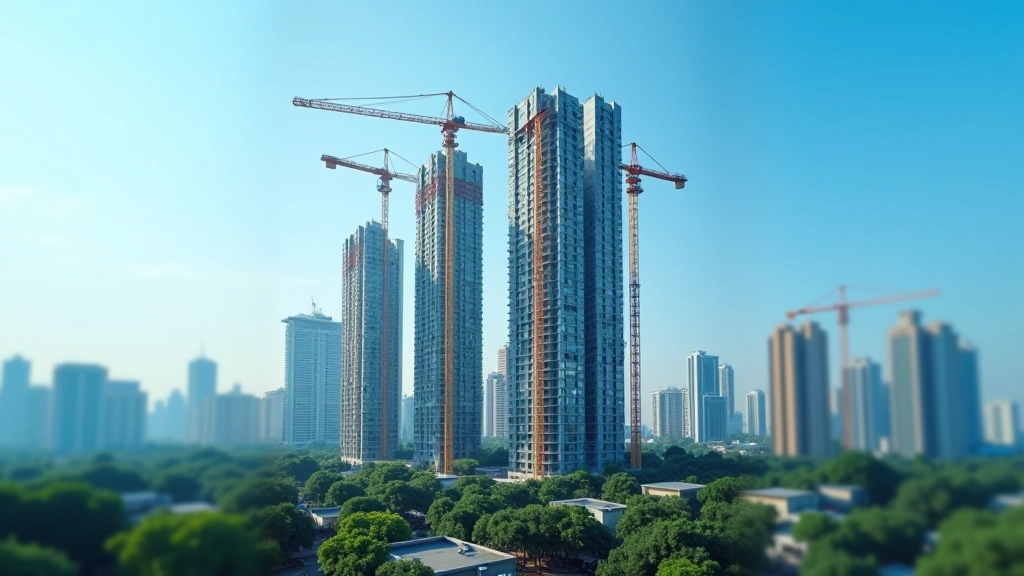
Supply dynamics matter significantly. New high-rise developments continue in Selangor and Johor, adding inventory. However, completed units sell within 12-18 months typically, suggesting demand keeps pace with supply. Land scarcity in premium locations means prices there likely won’t moderate.
Urbanization will continue driving migration from rural areas to city centers. This structural trend supports prices in major cities. Remote work adoption also changed dynamics—some people now work from smaller cities with lower costs while earning metro-area salaries. This dispersal pattern benefits secondary cities like Ipoh and Kuching.
Government affordable housing initiatives will remain important policy tools. Expect continued Rumah Mampu Milik launches and potential new schemes targeting specific income groups. These programs influence local market pricing but haven’t historically prevented price appreciation in good locations.
Key Takeaways on Malaysian Property Trends
Malaysian property prices didn’t rise uniformly across cities over the past five years. Kuala Lumpur appreciated moderately at 4-5%, while Selangor suburbs and Johor Bahru outpaced at 6-7%. These variations reflect where people actually want to live and what they can afford.
Affordability remains challenging for first-time buyers, particularly in premium locations. However, satellite cities and secondary urban areas offer better value propositions. The RM300,000-RM500,000 price range provides the best balance of accessibility and location quality for most middle-income families.
Interest rates, government housing policies, and urbanization patterns will continue shaping prices. Buyers should focus on their specific needs—location commute, school proximity, lifestyle amenities—rather than chasing price appreciation. The best property investment is one you can comfortably afford and actually want to live in.


Important Disclaimer
This article provides educational information about Malaysian property market trends and historical price movements. The data and analysis presented are for informational purposes only and shouldn’t be construed as financial or investment advice. Property markets are complex and influenced by numerous factors including economic conditions, policy changes, interest rates, and local market dynamics that can shift unexpectedly. Property prices, availability, and financing terms vary significantly by location and change frequently. Individual circumstances differ—what’s suitable for one buyer may not be appropriate for another. Before making any property purchase decisions, consult with qualified real estate professionals, mortgage advisors, and financial planners who understand your specific situation. Market performance isn’t guaranteed, and past trends don’t ensure future results. Always conduct thorough due diligence, verify current market data through official sources, and seek professional guidance tailored to your needs.