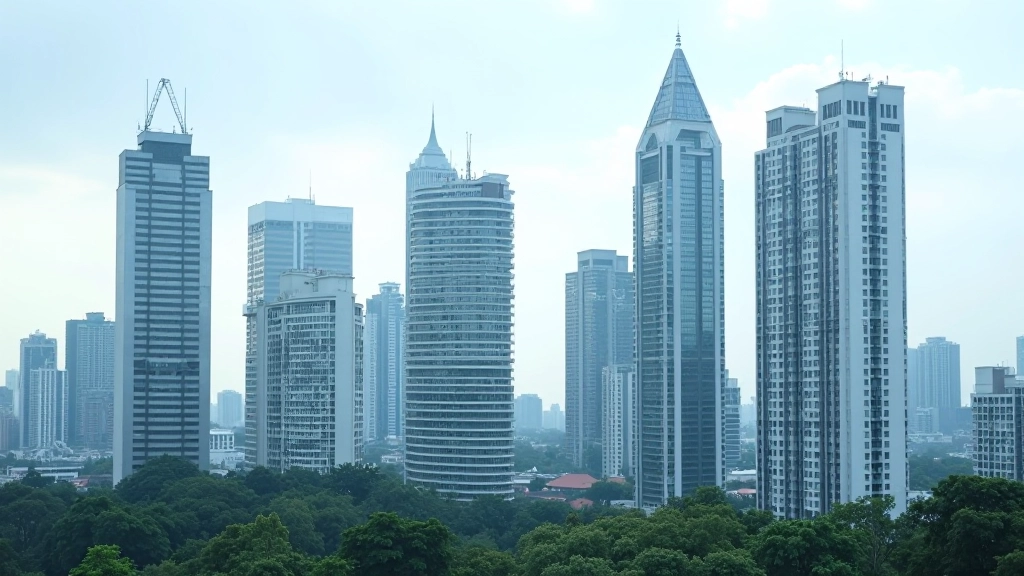
Mortgage Market Dynamics and Financing Options
Understanding interest rate movements, loan structures, and how mortgage availability shapes property affordability across Malaysia’s diverse income groups

The Mortgage Landscape in Malaysia
Malaysia’s mortgage market has shifted dramatically over the past decade. Interest rates, lending criteria, and available financing options directly impact who can actually afford to buy a home. We’re not talking about theoretical economics here — these factors determine whether a young professional can secure financing for their first property or whether a growing family gets priced out entirely.
The relationship between bank lending practices, government policy, and housing affordability isn’t straightforward. When interest rates rise, monthly mortgage payments increase significantly. A RM300,000 loan at 3.5% costs roughly RM1,347 monthly, but that same loan at 5% jumps to RM1,611. That’s RM264 more each month — money many households simply don’t have.

Interest Rates and Monthly Affordability
Interest rate changes ripple through the entire market. When Bank Negara Malaysia adjusts the Overnight Policy Rate (OPR), banks typically adjust their prime lending rates within weeks. This directly affects variable-rate mortgages — the most common type in Malaysia.
Here’s what actually happens: A 0.5% rate increase on a RM350,000 mortgage over 25 years adds approximately RM80-100 monthly to payments. For households with tight budgets, that’s the difference between qualifying for a loan and being rejected. Banks use debt-to-income ratios — they won’t lend if your monthly payments exceed 60% of gross income. So when rates climb, your maximum borrowing power drops immediately.
The current market shows rates ranging from 3.15% to 5.5% depending on bank, credit profile, and loan type. Fixed-rate mortgages offer payment certainty but typically come with slightly higher rates. Variable rates feel cheaper initially but carry refinancing risk when the economic cycle turns.


Loan Structure and Borrowing Capacity
Most Malaysian mortgages follow one of three structures. The standard 30-year amortization is typical, but you’ll also see 25-year and 35-year options. The longer the term, the lower your monthly payment — but you’ll pay significantly more interest overall.
Banks assess your borrowing capacity using strict criteria. They examine employment stability, income documentation, existing debts, and credit history. A professional with a stable 5-year track record gets better terms than someone recently employed. Self-employed individuals face additional scrutiny — banks want 2-3 years of audited accounts showing consistent income.
The maximum loan-to-value ratio typically sits at 90% for primary residences. This means you need at least 10% down payment. For properties exceeding RM500,000, it’s often 80-85%. Stamp duty, legal fees, and valuation costs add another 2-4% to total expenses. So buying a RM400,000 property really requires RM440,000-480,000 in total capital — not everyone realizes this going in.
Financing Requirements and Qualification Barriers
Getting approved for a mortgage involves multiple hurdles. Credit score is just the beginning. Banks pull credit reports, verify income with employers, and conduct property valuations. Any red flags — missed payments, high credit card balances, unstable income — trigger either rejection or higher interest rates.
Employment type matters significantly. Corporate employees with contracts get standard rates. Gig workers and freelancers face tougher conditions. Some banks won’t lend to people under contract employment for less than 2 years. Others require Malaysian citizenship — foreign workers hit different lending standards even with solid income.
Co-borrowers help. If you’re self-employed with inconsistent income, adding a spouse with stable employment strengthens your application. Joint applications let you combine incomes, potentially increasing your borrowing power by 50-100%. But you’ll both be responsible for the debt.

How Mortgage Availability Shapes Housing Affordability
The connection between lending practices and who can actually afford homes
Income Inequality
High-income earners qualify easily for large mortgages at competitive rates. Middle-income households struggle with debt-to-income limits. Lower-income groups can’t borrow enough to buy anything except in underdeveloped areas far from job centers.
Geographic Disparity
Kuala Lumpur and Selangor properties command premium prices requiring large mortgages. Regional cities offer cheaper properties but fewer job opportunities. Young professionals face a choice: expensive housing near work or long commutes from affordable areas.
First-Time Buyer Challenges
Saving 10% down payment takes 5-10 years for many households. By then, property prices have risen further. Interest rate increases make already-expensive mortgages worse. First-time buyers end up stretching budgets dangerously thin.
Refinancing Flexibility
When interest rates drop, homeowners can refinance to save thousands in interest. But refinancing costs RM3,000-5,000 in fees and requires new appraisals. Lower-income households can’t afford refinancing costs even when rates favor them.
Current Market Trends and Future Outlook
The Malaysian mortgage market continues evolving. Digital applications streamline approval processes, reducing turnaround from weeks to days for qualified applicants. But automation also means less flexibility for borderline cases. An algorithm doesn’t understand context the way a loan officer might.
Government initiatives like the Home Ownership Campaign (HOC) and Rumah Mampu Milik schemes attempt to bridge affordability gaps through subsidized rates and flexible terms. These programs help but reach only a portion of the market. Most Malaysians navigate standard commercial mortgages where bank profitability, not housing policy, drives lending decisions.
Looking forward, demographic shifts matter. Younger Malaysians are delaying home purchases, saving longer, or accepting apartments over houses. Migration from smaller cities to Klang Valley and George Town concentrates demand in specific markets, pushing prices up while other regions stagnate. Mortgage availability tightens further when prices spike faster than incomes.

Key Takeaways
Interest Rates Drive Affordability
Even small rate increases significantly impact monthly payments and maximum borrowing capacity. Track rate movements if you’re planning a purchase within 12-24 months.
Qualification Standards Are Strict
Banks assess employment stability, debt-to-income ratios, and credit history carefully. Self-employed professionals and recent job-changers face additional scrutiny and higher rates.
Affordability Gaps Persist
Even with government schemes, mortgage availability remains unequal across income groups. Location and employment type dramatically affect lending terms you’ll receive.
Plan Total Costs Thoroughly
Down payment, stamp duty, legal fees, and valuation costs add 10-15% to purchase price. Factor these into your budget before approaching banks.
Understanding mortgage market dynamics isn’t optional if you’re buying property. Interest rates, loan structures, and lender requirements directly determine what you can afford. Research current rates, assess your qualification strength honestly, and consider how economic changes might affect your ability to maintain payments over 25-30 years. The mortgage you secure today shapes your financial stability for decades.
Important Disclaimer
This article provides informational content about mortgage market dynamics in Malaysia. It’s not financial advice, investment guidance, or a substitute for professional consultation. Mortgage rates, lending criteria, and government programs change regularly. Individual circumstances vary significantly — your actual borrowing capacity, interest rates, and qualification requirements depend on your specific financial situation, employment status, and credit history.
Before making mortgage decisions, consult with licensed financial advisors, mortgage brokers, or bank representatives who can review your personal situation. Interest rates and lending terms quoted in this article are illustrative and may not reflect current market conditions. Always verify current rates and terms directly with financial institutions.